
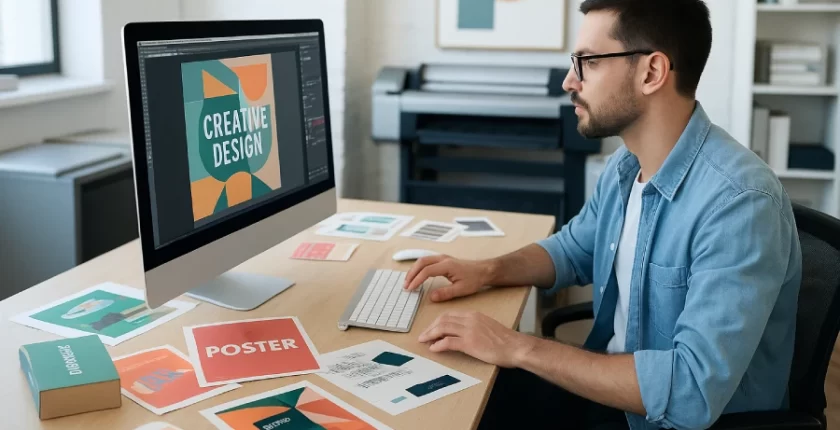
What Does a Printing Designer Do? A Complete Career Guide
Even in today’s digital-first world, print continues to play a powerful role in marketing, branding, and communication. From product packaging to posters, catalogues, and signage, businesses still rely on high-quality printed materials to make a lasting impression. Behind these creations is the printing designer—a professional who combines creativity with technical know-how to ensure designs don’t just look good on screen but also translate beautifully into print.
This career guide explores what printing designers do, the skills they need, and the opportunities available in the print industry.
What is a Printing Designer?
A printing designer specialises in creating designs specifically tailored for print production. While graphic designers may focus on both digital and print, printing designers dive deeper into the technical details required to bring physical products to life. They ensure that designs are properly prepared for formats such as brochures, packaging, business cards, signage, and merchandise.
In short, their job is to make sure the creative vision is not only appealing but also technically flawless when it comes off the press.
Daily Responsibilities of a Printing Designer
A typical workday for a printing designer consists of a combination of technical and creative duties, including:
- Collaborating with clients, marketing teams, and print specialists.
- Preparing print-ready files with correct bleeds, margins, and CMYK settings.
- Choosing suitable paper stocks, finishes, and printing processes.
- Proofing and conducting quality checks before mass production.
- Resolving print problems to preserve accuracy and color consistency.
Their projects can range from elegant invitations and glossy catalogues to bold billboards and eye-catching packaging.
Essential Skills for Printing Designers
To succeed in this field, printing designers need a combination of technical expertise, creative flair, and strong communication skills.
Technical Skills
- Proficiency in Adobe Creative Suite (Illustrator, InDesign, Photoshop).
- Familiarity with offset, digital, flexographic, and letterpress printing techniques..
- Colour management, including CMYK and Pantone systems.
Creative Skills
- Strong understanding of typography, layouts, and branding principles.
- Ability to balance creative ideas with production realities.
Soft Skills
- Attention to detail and problem-solving abilities.
- Clear communication with clients and production teams.
- The ability to work under deadlines.
Career Path & Opportunities
Printing designers can start as junior designers or production assistants and progress to senior roles like Print Production Manager or Art Director. Specialisations are also common, including:
- Packaging design (e.g., food, cosmetics, consumer goods).
- Large-format design (e.g., billboards, trade show graphics).
- Marketing and advertising materials.
With the print industry continuing to evolve, opportunities are available across Australia. (Check out the latest printing jobs in Australia